 Skip to content


For many years, BIM (Building Information Modelling) methodology has been associated almost exclusively with large infrastructure projects such as hospitals, airports, and industrial complexes. However, the construction sector is undergoing a profound digital transformation, and today BIM has also become a key tool for medium-sized renovation and refurbishment projects.
What is BIM and why is it revolutionising construction?
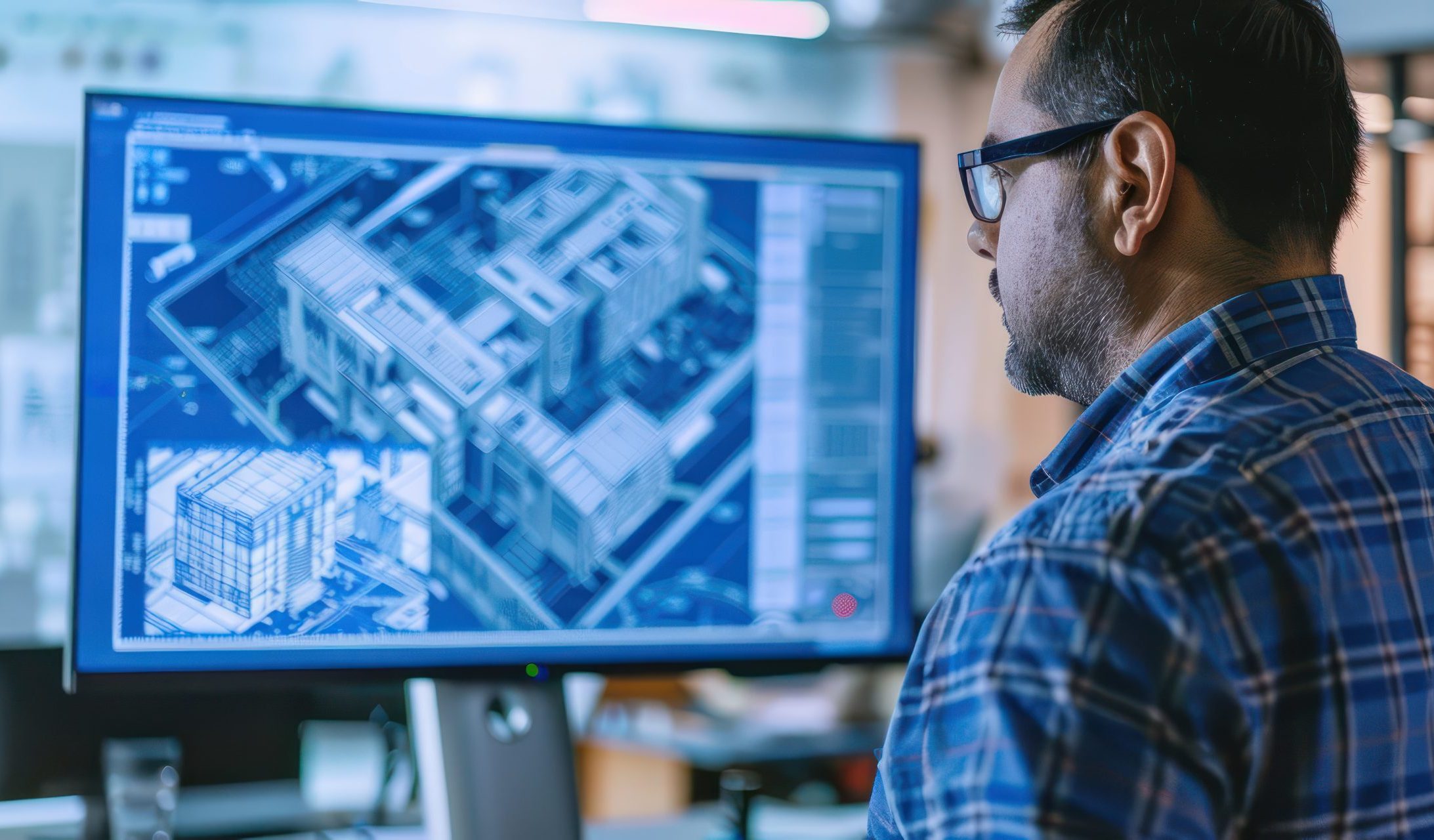
BIM is not just a three-dimensional model. It is a work system based on an intelligent digital model that integrates all the information about the building, geometry, materials, installations, measurements, costs and planning.. This model allows the building to be simulated virtually before it is constructed, which reduces errors, improves coordination between teams, and facilitates much more accurate decision-making.
BIM beyond large-scale projects
Although BIM originated in large projects, it has proven to be particularly useful in small and medium-sized projects where margins are tighter and unforeseen events can have a significant economic and time impact. In a medium-sized renovation or construction project, every mistake, every unforeseen change or every rework directly affects the final result. BIM allows you to anticipate these problems before they occur on the actual site.
Main benefits of BIM in renovations and medium-sized construction projects
Fewer mistakes and less improvisation
Thanks to the digital coordination of architecture, structure and installations, BIM automatically detects conflicts before they reach the construction site. This avoids common situations such as pipes crossing beams, lack of space for installations, or last-minute changes.
More reliable budgets
The BIM model allows for the calculation of exact measurements of all elements of the construction project. This translates into budgets that are much more realistic, reducing cost overruns and surprises for the client.
Shorter lead times
With everything defined from the outset, the teams work with greater clarity and without unnecessary interruptions. This speeds up execution and reduces downtime.
Clear visualisation for the customer
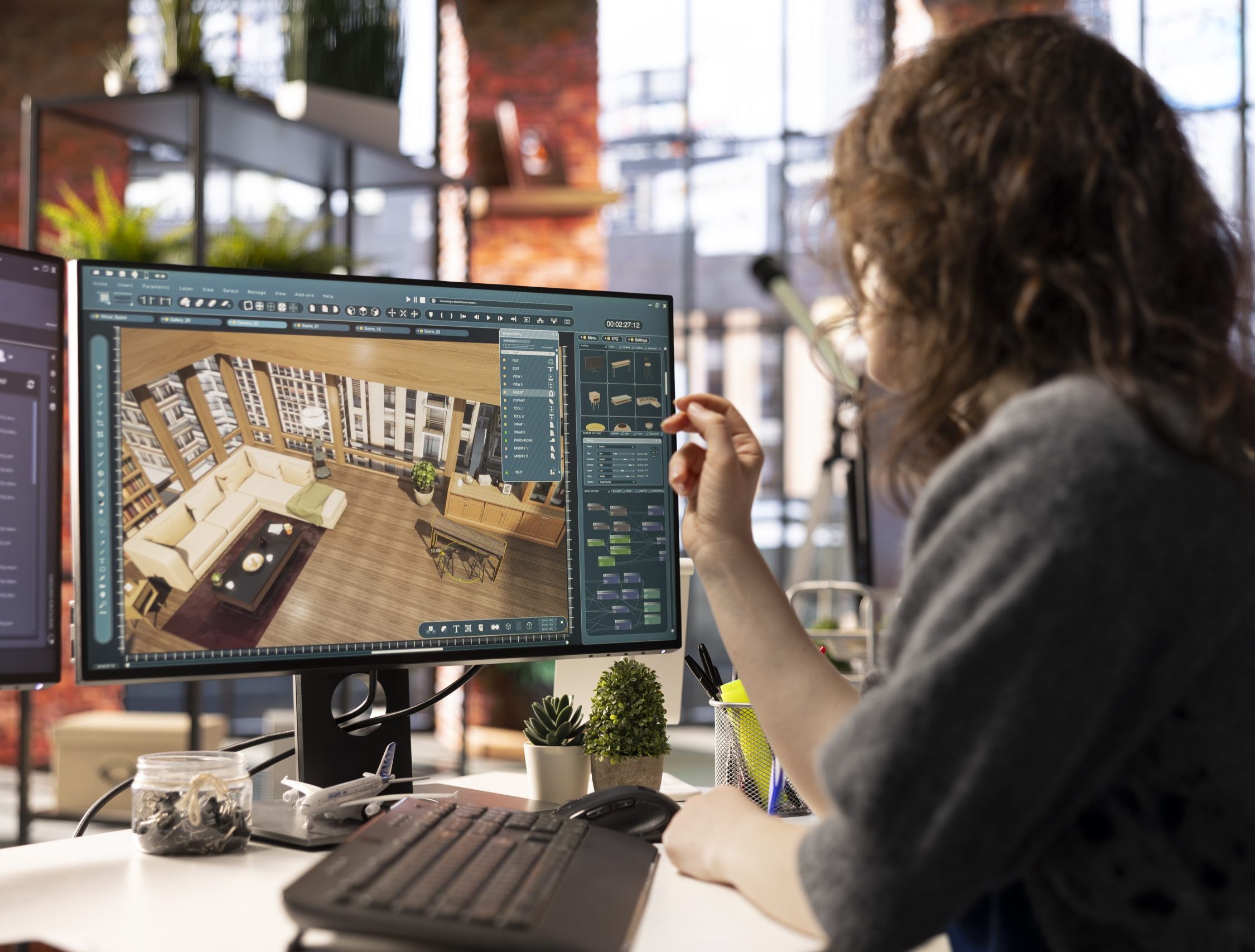
The client can see how their local home or warehouse will look before work begins. This improves communication, prevents misunderstandings, and facilitates decision-making regarding material distribution and finishes.
Useful information for the future
The BIM model does not disappear when the work is completed. It becomes a database for the building that can be used for maintenance, future renovations, extensions, or technical and legal procedures.
BIM as a control and quality tool
In small projects, BIM is not a luxury; it is a control tool. It allows the construction company, technicians, and client to work with the same information, reducing risks and increasing the reliability of the project. Today, the difference between a well-executed project and a problematic one is not usually in the materials but in the planning.
The new approach
Applying BIM ensures that every project, regardless of size, is executed with precision, transparency and control. This methodology is ideal for coordinating technical teams, defining realistic budgets from the outset, optimising deadlines and offering clients a clear vision of the project before work begins.
Building the future starts today
Digitisation is already part of the sector. BIM is no longer exclusive to large construction companies and has become an essential tool for any company that wants to offer quality, efficiency and safety in its projects. Investing in technology means investing in better work, fewer problems and more satisfied customers.