 Skip to content


In 2025, the construction sector will continue to be influenced by changes in the price of basic materials. Steel, concrete, cement, and many complementary products continue to show an upward trend that directly impacts construction budgets and project planning. For developers, architects, construction companies, and end customers, understanding this context is key to avoiding cost overruns and making more informed decisions.
Why prices are rising in 2025
Rising energy costs, coupled with volatility in transport and manufacturing, have kept pressure on raw materials. Added to this are geopolitical tensions and industrial inflation affecting the entire construction cycle. As a result, materials such as corrugated steel, structural steel, cement, and concrete have seen further increases compared to the previous year.
Steel, one of the most affected materials
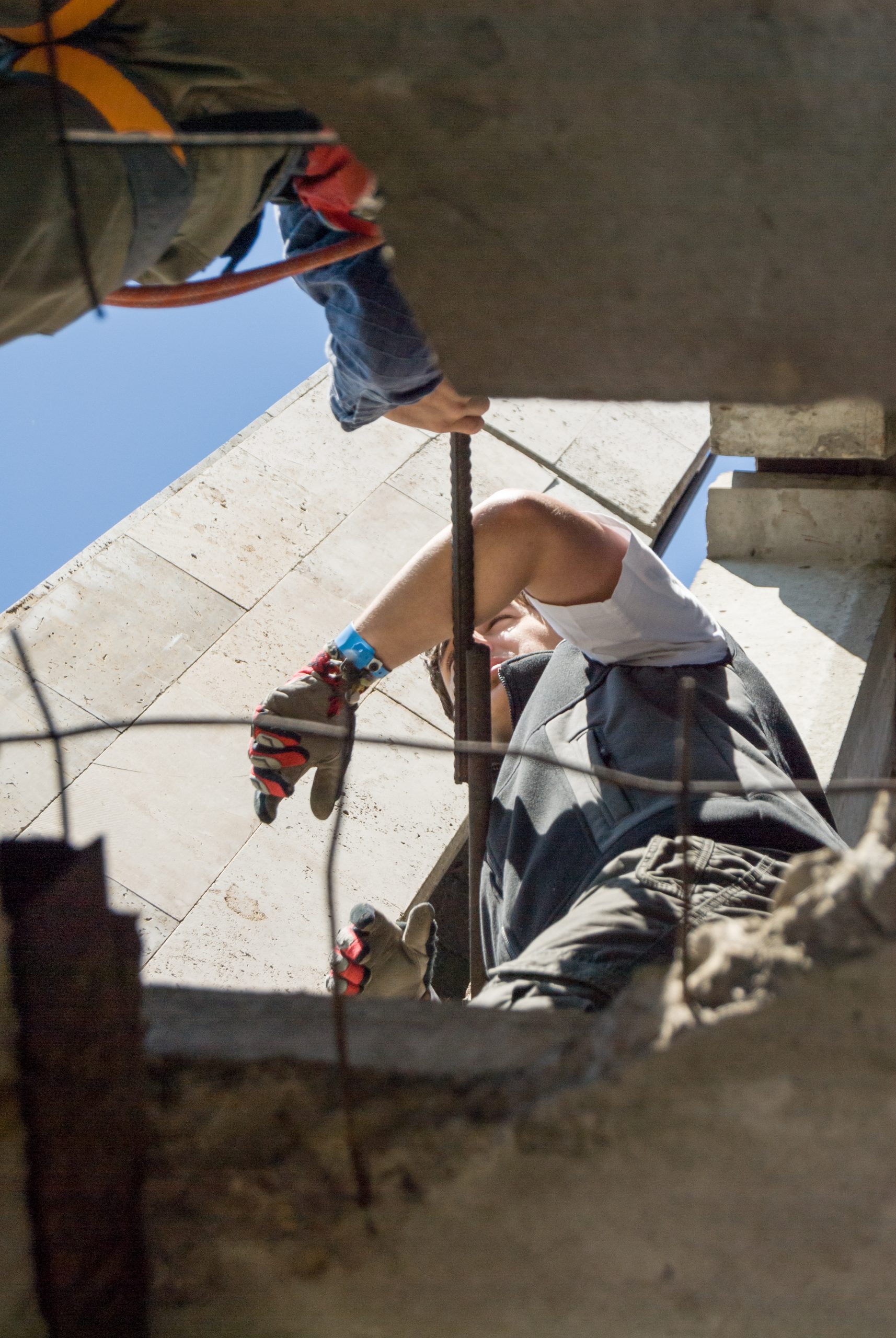
European and international markets are constantly fluctuating. The price of corrugated steel — essential for structures, foundations, and reinforcement bars — has seen significant year-on-year increases. This increase has a direct impact on pillars, slabs, beams, metal structures, and any element that depends on rolled or processed steel.

Rise in concrete and base materials
Concrete and cement costs have also risen due to energy prices and production. In new construction and comprehensive renovation, where these items represent a high percentage of the budget, any variation affects the final cost of the project and the expected deadlines.
Other materials that are also becoming more expensive
Insulation, plaster, structural wood, aluminium for carpentry, and other technical products are also showing widespread increases. This not only affects the structure, but also carpentry, enclosures, partition walls, and subsequent phases such as installations and finishes

Real impact on budgets and execution
Market developments are leading to less stable budgets, the need for frequent updates, and difficulties in maintaining fixed prices in the long term. Construction companies must adjust quality, optimise consumption, and renegotiate deadlines. Developers, for their part, face more complex decisions when it comes to securing financing, margins, or delivery dates.
What do we recommend at Altamira Constructora?
In this scenario, anticipation and planning are essential. At Altamira Constructora, we recommend:
– Planning supplies to ensure prices and availability
– Requesting updated quotes at shorter intervals.
– Reviewing and optimising structural designs to minimise waste.
– Working with stable and reliable suppliers who can guarantee a continuous supply.
– Incorporating safety margins into key phases of the project.
– Improving communication with the end customer to explain possible market-related adjustments.
Looking ahead
2025 is proving to be a year marked by instability in the cost of materials, especially steel and concrete. At Altamira Constructora, we are working to minimise the impact of these fluctuations on each project, ensuring efficient management, forecasting, control, and execution of the work that maintains the quality standards that characterise us. Anticipating and working with up-to-date information is the key to successfully navigating this scenario.